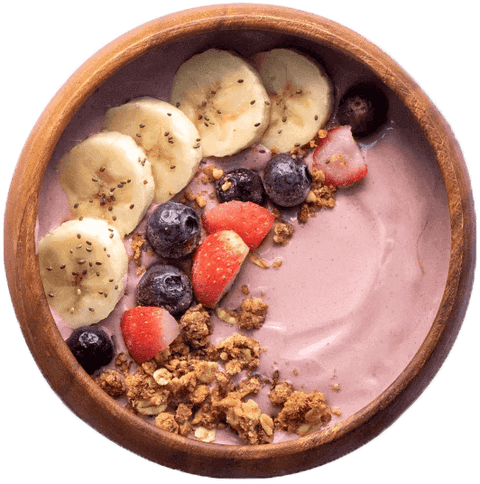
Care for your bones with the same attention you give to any part of your body you rely on every day. Their strength comes from daily habits, and nutrition plays a central role. Vitamin D, often called the “sunshine vitamin,” helps your body absorb calcium efficiently and supports strong bones and overall wellbeing.
Below you will find everything you need to build a balanced approach: benefits, food sources of vitamin D, factors that influence intake, recommended doses, and practical advice for the whole family. If you want to vary your menu while increasing nutrient intake at each meal, this guide helps you make informed choices.
How vitamin D supports bone health
Vitamin D supports the absorption of calcium and phosphorus, the key minerals that give bones their structure and strength. Without enough vitamin D, your body struggles to absorb calcium from food, leaving bones undernourished. Over time, this can lead to fragile bones and a higher risk of fractures.
Your body produces vitamin D when skin is exposed to sunlight. Regular exposure of the face and arms helps natural synthesis. For many people, especially during winter or with indoor lifestyles, food becomes the main support.
Studies show that people with optimal vitamin D levels have a lower risk of osteoporosis and experience fewer fractures. Paying attention to daily nutrition benefits bone health at any age.
The link between vitamin D, bones, and muscles
Including vitamin D rich foods in your daily diet supports both bones and muscle function. When intake is too low, the body often signals problems such as bone pain, muscle weakness, or unexplained fatigue. In children, severe deficiency can cause rickets. In adults, it may lead to osteomalacia, where bones become soft and painful, along with reduced muscle strength.
Adequate vitamin D helps reduce the risk of falls and supports recovery after physical effort. If you notice symptoms like these or are unsure about your intake, speak with your doctor. A blood test can quickly identify deficiency.
This material is for informational purposes only. For supplements or major dietary changes, consult a specialist.
Vegan foods with the highest vitamin D content

License: e1815697d0781cea9424b26847788860b8
The richest vegan sources of vitamin D are UV-exposed mushrooms and fortified foods. Conversion note: 1 µg vitamin D equals 40 IU, and 20 µg equals 800 IU.
Top vegan foods rich in vitamin D
- UV-treated maitake mushrooms: 4 to 2242 IU per 100 g, depending on producer.
- UV-treated portobello mushrooms: about 446 IU per 100 g, with reported ranges between 140 and 752 IU.
- Various mushrooms, raw or UV-treated: 0 to 1110 IU per 1 cup, or 0 to 555 IU per half cup.
- Fortified soy drink: about 119 IU per 1 cup, around 50 IU per 100 ml.
- Fortified almond drink: about 107 IU per 1 cup, around 45 IU per 100 ml.
- Fortified rice drink: about 101 IU per 1 cup, around 42 IU per 100 ml.
- Fortified 100 percent orange juice: about 100 IU per 1 cup, around 42 IU per 100 ml.
With fortified products, vitamin D levels vary widely by brand. For vegan diets, the source also matters. Vitamin D2 is vegan. Vitamin D3 is vegan only when derived from lichens, not lanolin.
Factors that can limit vitamin D absorption and synthesis

License: e1ef5e7c5c27c38c5d064e4a946472fe6c
Even with good food choices, some factors limit vitamin D levels in the body:
- Low sun exposure. Indoor lifestyles, full coverage clothing, or regions with limited sunlight reduce natural synthesis.
- Skin pigmentation. Darker skin requires longer sun exposure to produce the same amount of vitamin D.
- Age. Natural production through the skin decreases with age.
- Digestive conditions. Disorders like Crohn’s disease or celiac disease affect absorption.
- Lifestyle factors. Smoking, excess alcohol, and lack of physical activity reduce vitamin D efficiency.
If any of these apply to you, blood tests can clarify your vitamin D status and guide adjustments.
Recommended daily intake and risks of excess
Vitamin D needs vary by age and lifestyle. General guidelines suggest:
- Children 1 to 18 years: 600 IU per day, 15 µg
- Adults 19 to 70 years: 600 to 800 IU per day, 15 to 20 µg
- Adults over 70 years: 800 IU per day, 20 µg
- Pregnant or breastfeeding women: 600 to 800 IU per day
Exact needs differ. A doctor can recommend the right dose based on your situation.
Be cautious with excess intake. Long-term overuse of supplements increases the risk of hypercalcemia, an excess of calcium in the blood. Symptoms include nausea, abdominal pain, weakness, and kidney problems. Use supplements only under medical guidance and monitor levels if advised.
Avoid self-medication. Always discuss new supplements with your doctor.
Other nutrients important for strong bones
Vitamin D works best as part of a broader nutritional picture:
Calcium supports bone density. Found in dairy, almonds, tofu, broccoli, and soft-bone fish.
Magnesium supports bone structure. Found in nuts, seeds, whole grains, and legumes.
Vitamin K helps bind calcium to bone. Found in leafy greens like kale and broccoli.
Vitamin C supports collagen formation. Found in citrus fruits, bell peppers, kiwi, and berries.
Daily habits for bone health
Small habits make a real difference:
- Include UV-exposed mushrooms and tofu in meals.
- Spend 10 to 15 minutes in the sun two to three times per week, exposing face and arms when possible.
- Add regular movement such as walking, dancing, or moderate-impact exercise.
- Limit harmful excesses like smoking and alcohol.
- Check vitamin D levels annually and consult a doctor if anything feels unclear.
Vitamin D supports both bones and muscles. Adjust your diet, enjoy sunlight when possible, and seek medical advice if you notice unusual symptoms. This information is for educational purposes and does not replace professional medical care.