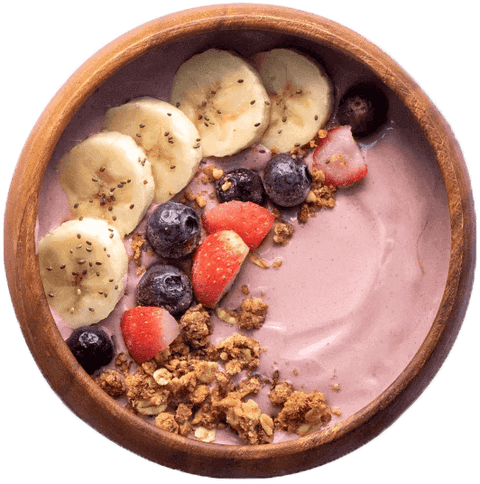
Oats are among those staple foods that are easy to find, quick to prepare, and simple to integrate consistently into a balanced plant-based diet. While many choose them for breakfast, their utility goes far beyond a quick meal. Oats provide fiber, slow-release carbohydrates, and nutrients that support satiety and energy stability throughout the day.
Discover why oats can support a balanced diet, how to choose the right type, what portions are suitable for regular use, and how to introduce them into your daily menus without any hassle!
The Nutritional Benefits of Oats
Oats are a whole grain that naturally provides dietary fiber, plant protein, and complex carbohydrates. Fiber supports intestinal transit and contributes to a feeling of fullness, which is useful for organizing daily meals. Complex carbohydrates are absorbed gradually, helping to maintain a more constant energy level.
A key compound in oats is beta-glucan. This soluble fiber forms a gel during digestion and slows down glucose absorption. In most cases, this mechanism supports a more balanced glycemic response, especially when oats are consumed alongside sources of healthy fats and plant proteins.
Oats also offer B-complex vitamins, involved in energy metabolism, as well as minerals like magnesium, iron, and zinc. They contain specific antioxidants called avenanthramides, studied for their cellular protection effects. Integrate oats into a varied diet to benefit from these elements without relying on a single food source.
Types of Oats: Processing Matters
The degree of processing on the shelf influences texture, preparation time, and how the body digests the grain.
-
Traditional Rolled Oats: These have a larger grain size and retain the grain structure better. The body digests them more slowly, maintaining satiety for longer. This version is ideal for main meals, especially in the morning.
-
Quick/Fine Oats: These cook quickly and offer a creamier texture. They are useful for porridges or recipes where you want a uniform consistency.
-
Instant Oats: These undergo additional processing and are ready immediately, but their impact on blood sugar can be faster. Use them occasionally based on your needs.
Note: At Bett’r Food, you can find Gluten-Free BIO Oat Drink. It is perfect for coffee, smoothies, or enjoyed as is, containing only oats and salt. Regardless of the version you choose, check the label for a single ingredient: oats. For those with celiac disease or gluten sensitivity, certified gluten-free products are essential.
Including Oats in Your Daily Menu
Oats work well in both sweet and savory dishes. In the morning, you can combine them with a fermented plant-based alternative, fresh fruit, and seeds for a balanced, adjustable meal.
-
For Sweetness: Use small amounts of non-caloric sweeteners like powdered erythritol (available at Bett’r Food). Erythritol doesn't affect blood sugar, though excessive consumption can cause digestive discomfort.
-
For Texture and Protein: Add nut butters. A spoonful of smooth hazelnut butter provides satiety and a pleasant texture without palm oil or added sugar.
-
For Savory Dishes: Use oats as a base for veggie patties alongside grated vegetables and herbs, or add them to cream soups for consistency.
Portions and Frequency of Consumption
For regular use, the recommended portion of dry oats is between 30 and 50 g per day. This amount provides fiber and energy without overloading digestion. Active individuals can adjust this based on their energy needs.
-
Maintain Variety: Alternate oats with other whole grains, pseudo-cereals, and legumes.
-
Introduce Gradually: If you don't frequently consume fiber, start slow. A sudden increase can cause bloating or cramps. Drink plenty of fluids to help the fiber move through your system.
Important Considerations: Gluten and Phytates
-
Gluten Contamination: Oats are naturally gluten-free, but cross-contamination often occurs during processing. Those with celiac disease should only choose certified gluten-free oats.
-
Phytates: Present in oats, these can reduce the absorption of certain minerals. For better results, soak your oats before cooking or combine them with foods rich in Vitamin C to aid mineral absorption.
This article is for informational purposes. If you have pre-existing conditions or a specific meal plan, consult a doctor or nutrition specialist before making significant changes.
FAQ
-
Can I eat oats every day? Yes, for most people, daily consumption in moderate portions is well-tolerated. Just ensure you keep the rest of your diet diverse.
-
Do oats affect blood sugar? Minimally processed oats have a moderate impact due to beta-glucan. Pair them with plant fats and proteins for the most balanced response.
-
Are oats good for an active lifestyle? Yes. They provide slow-release energy and support satiety, making them an excellent fuel source for physical activity.